Not Broken, Just Becoming
How photography, pain, and purpose shaped my decision to move forward in both art and medicine.

What It Means to Keep Going When the World Tells You to Give Up
I’m 36 years old, and I still depend on my parents. Not because I want to, but because a drunk driver changed everything. I live every day with the effects of a traumatic brain injury and chronic pain that never really lets up. And in a world that measures your worth by how much you earn, I’ve spent years quietly asking myself if that makes me less.
For the past decade, I’ve felt lost. Not just directionless, but swallowed up by the pressure to follow the same path as my peers, the pressure to look “normal," the humiliation of needing help to survive while others seemed to be thriving. There are days when that weight has felt unbearable. But I’ve also found moments of clarity, moments that came through my camera lens.
"There is no greater agony than bearing an untold story inside you."
— Maya Angelou, I Know Why the Caged Bird Sings
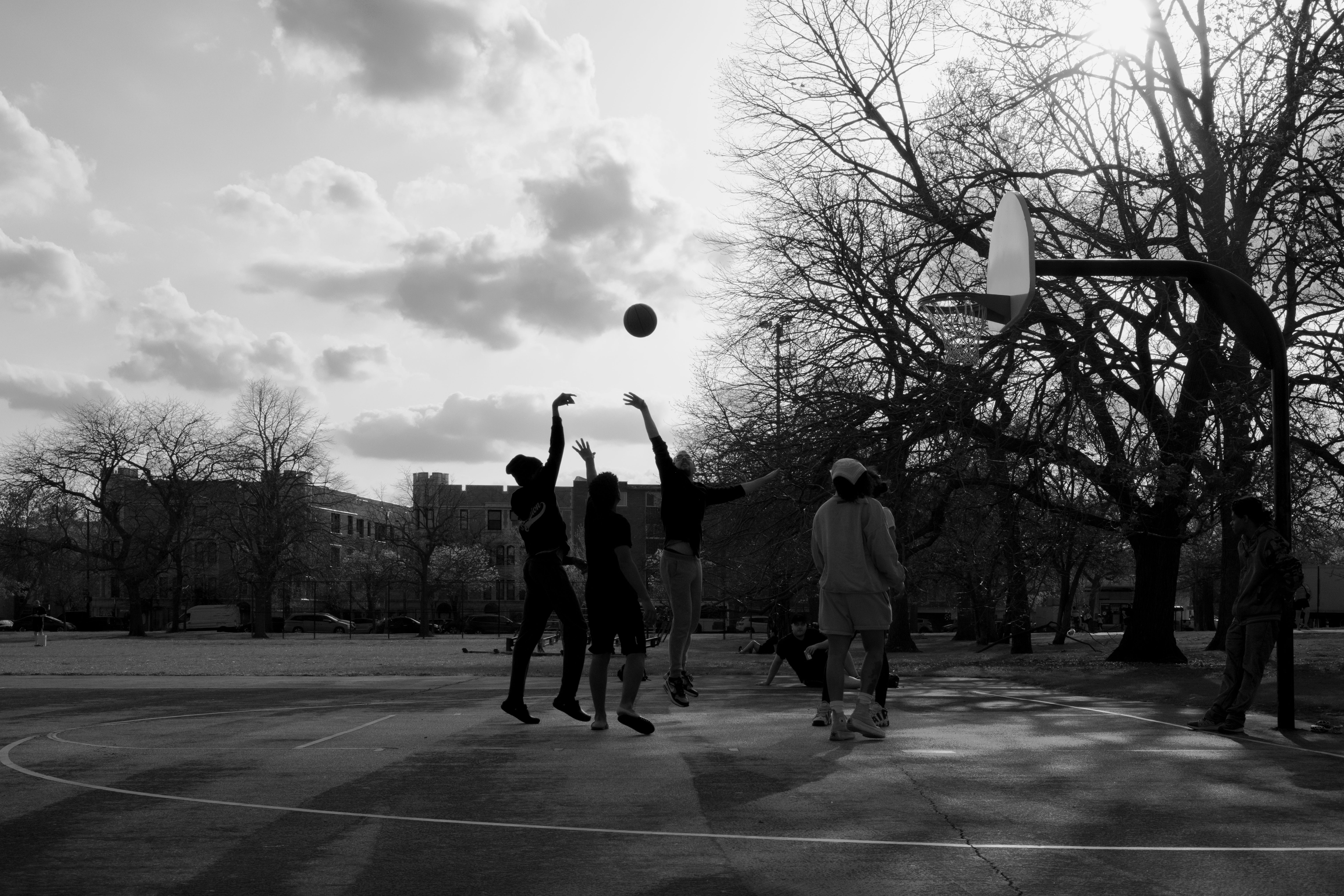
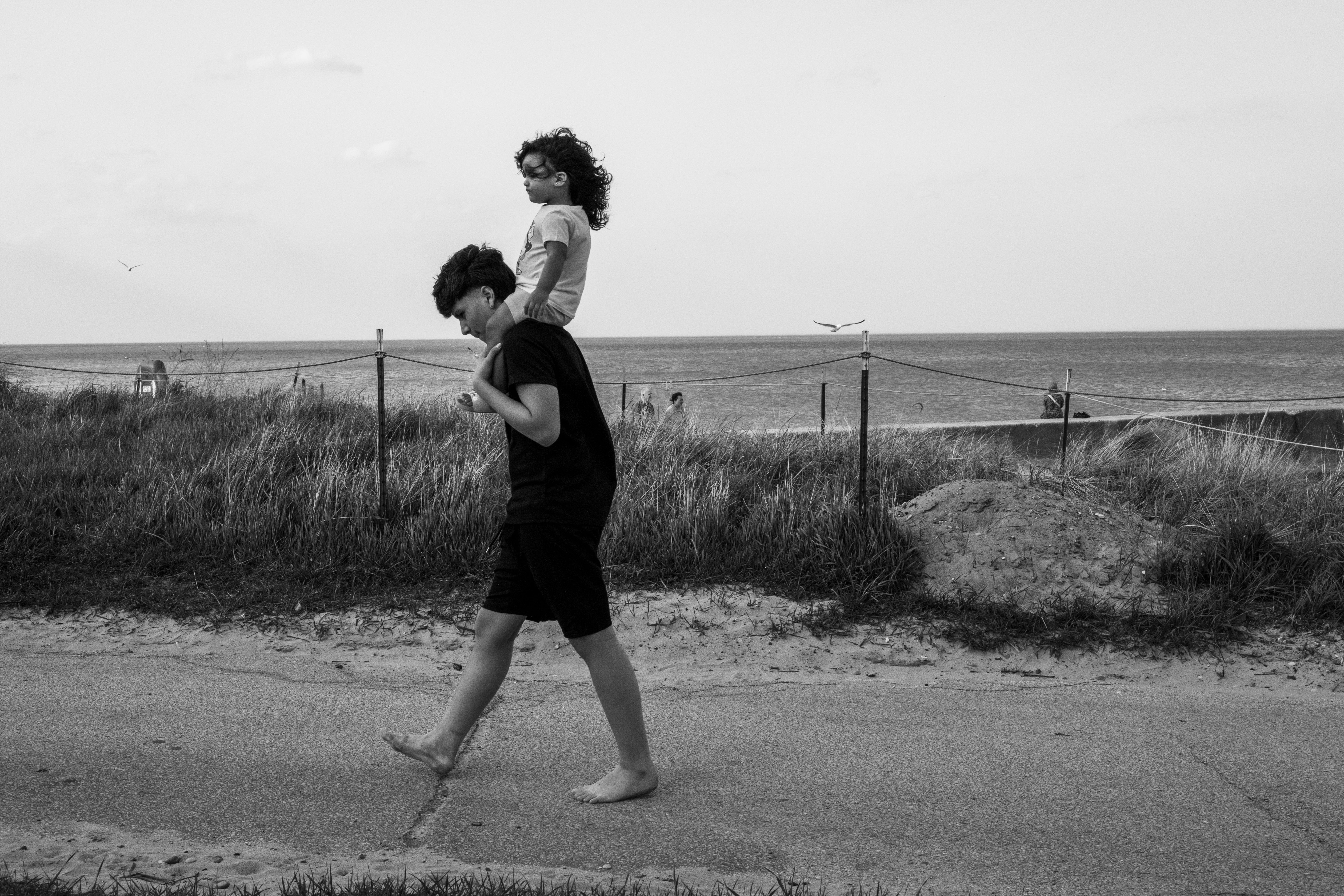
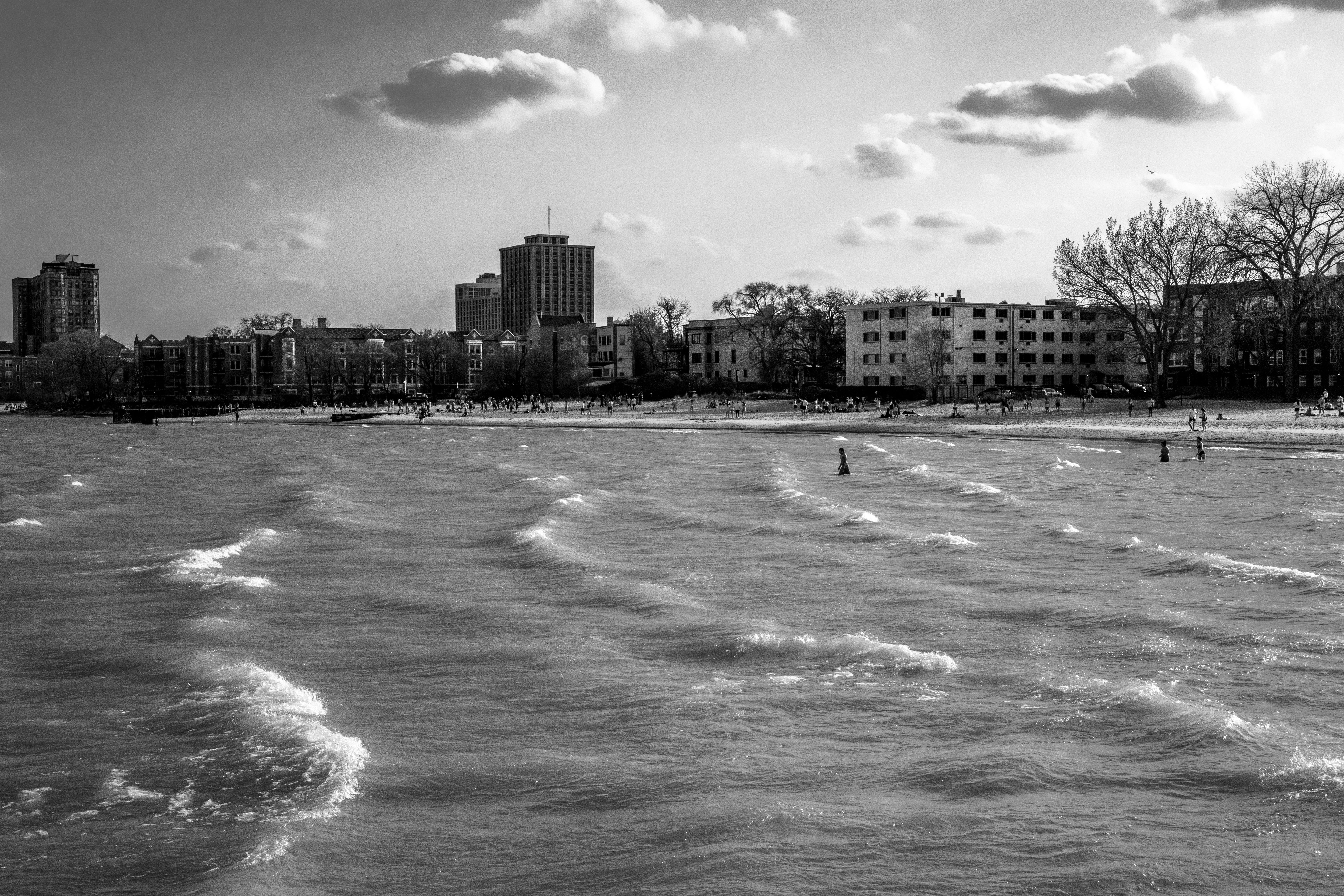
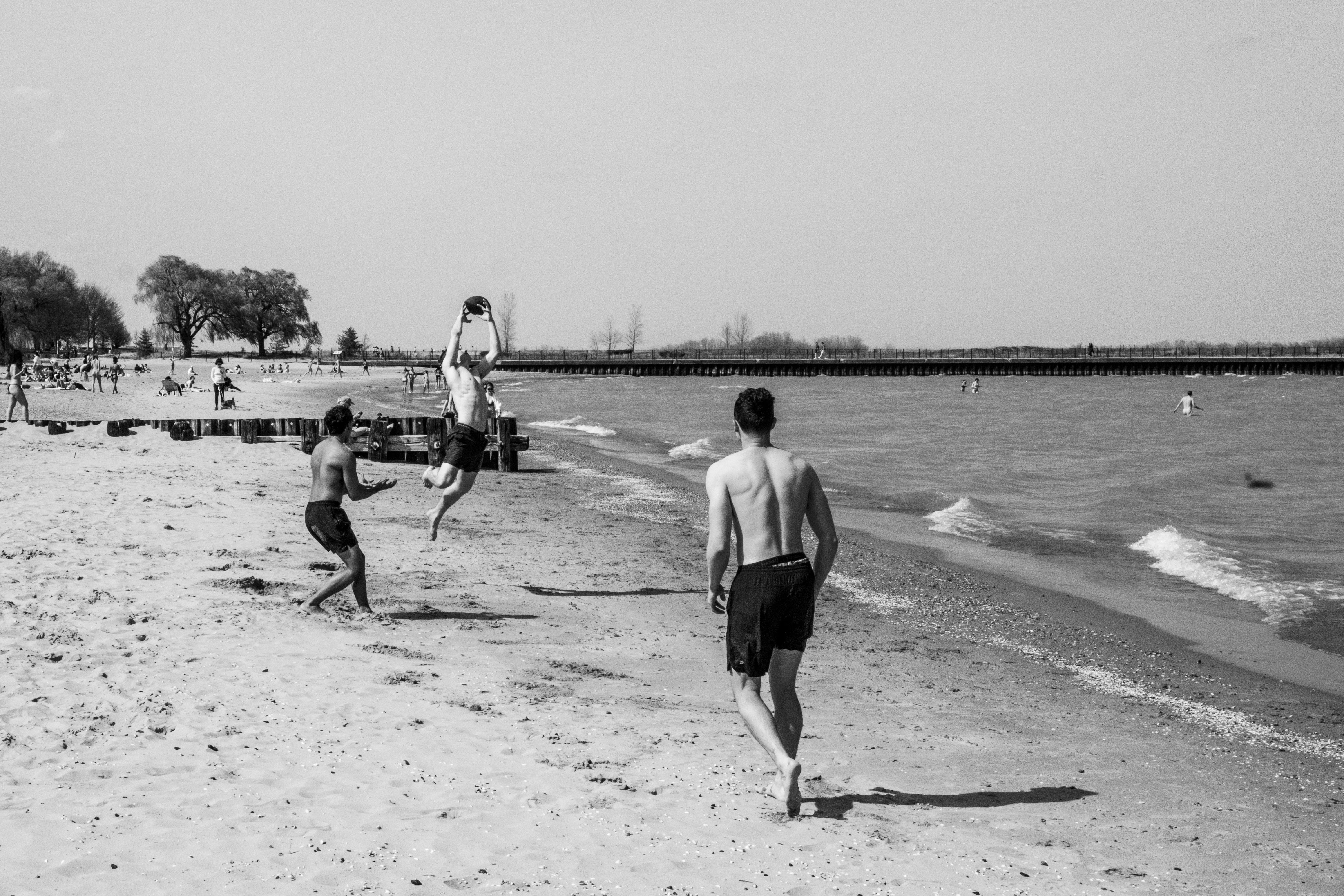
Photography gave me something the medical system couldn’t: a way to see myself again. It opened doors I didn’t know existed. It introduced me to communities across Chicago and allowed me to document resilience, resistance, and joy in places often overlooked. My education at the School of the Art Institute of Chicago helped me give shape to that voice. It helped me understand how to translate what I see into something others can feel.
But I’d be lying if I said the fear isn’t creeping in again. AI is changing everything, especially the Arts. Photography, one of the oldest forms of storytelling in the modern era, now feels under siege. Something once rooted in light, time, and human presence is being mimicked by machines trained to generate beauty without the burden of memory, pain, or place.
With the looming threat of economic collapse, policies like Trump’s harsh tariffs threaten to ripple through everything. I’ve had to take a hard look at what sustainability means, not just financially but emotionally. This winter, in the stillness and silence, I asked myself what I really wanted. The answer surprised me.
I want to step into the world of medical science. I want to take everything I’ve learned from being on the other side of the hospital bed. The fear. The medical terminology I didn’t understand. The way disabled bodies are treated as problems to solve instead of people to listen to. I want to turn that experience into service. I want to help people. Not just through photos, but through care, science, and presence.
I’m writing this because I need to say it out loud. To name the shame so it doesn’t keep growing. Being disabled in the United States does make you different. It changes how people see you. It changes how you see yourself. But I am learning that I can carry this difference as a burden or as a torch. I choose the latter.
This isn’t the end of my photography. It’s a widening of the path. Social justice will always live in my work, whether in images, care, or simply surviving a system not built for people like me. I don’t have all the answers. But I’m still here. I’m still dreaming. And I’m still trying to make a life rooted in purpose, not perfection.
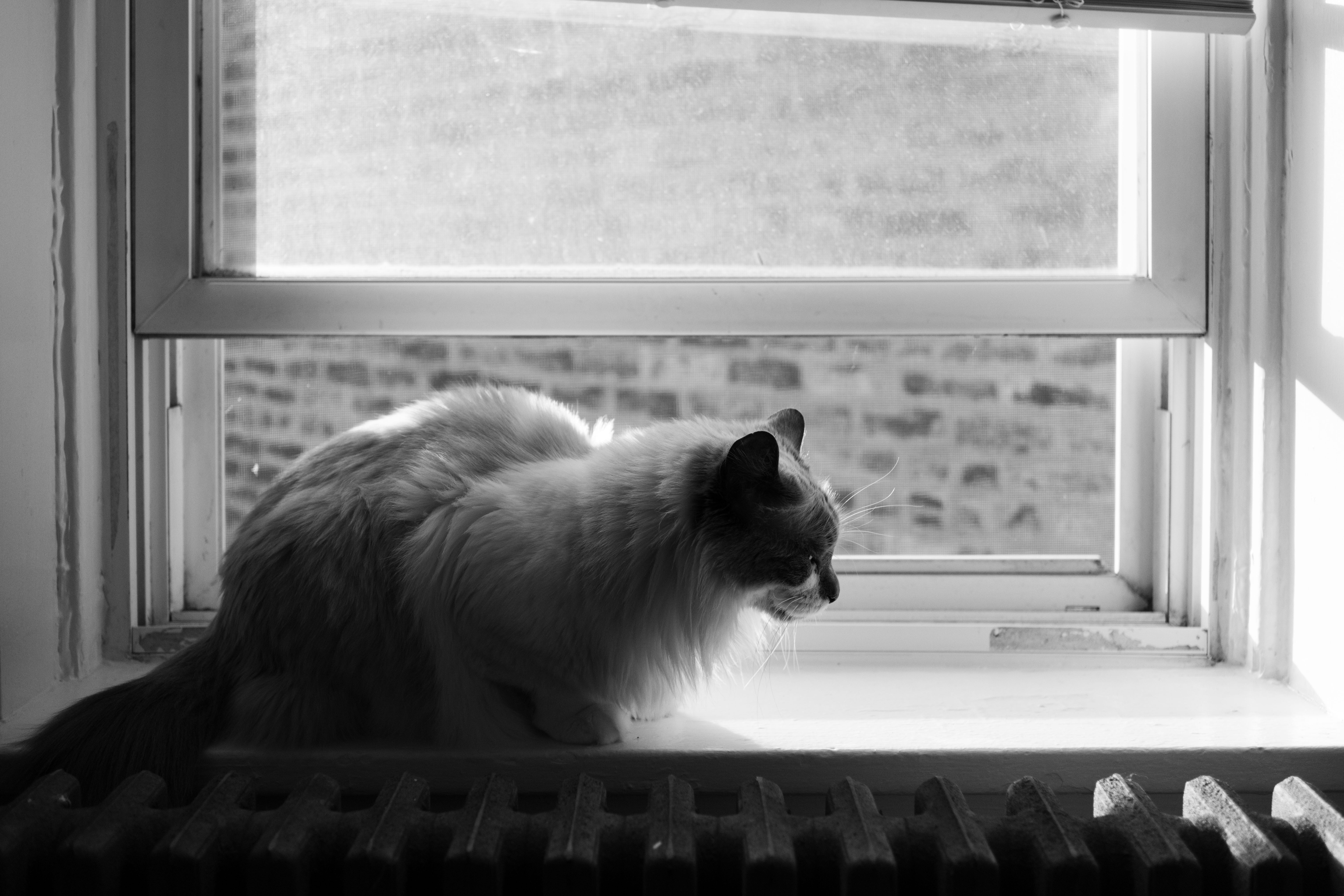
"Nothing in life is to be feared, it is only to be understood. Now is the time to understand more, so that we may fear less."
— Marie Curie
Make no mistake, I will carry my camera until my last breath, telling the stories that need to be seen. No matter where life takes me, my hands will still hold a camera, and my eyes will still search for truth. STEM will not replace that part of me. It will give me the ground to stand on, the means to survive, and the ability to carry these stories farther than I ever could alone. My work in social justice photography is not something I will ever leave behind. It is a part of who I am, stitched into every part of my journey forward.